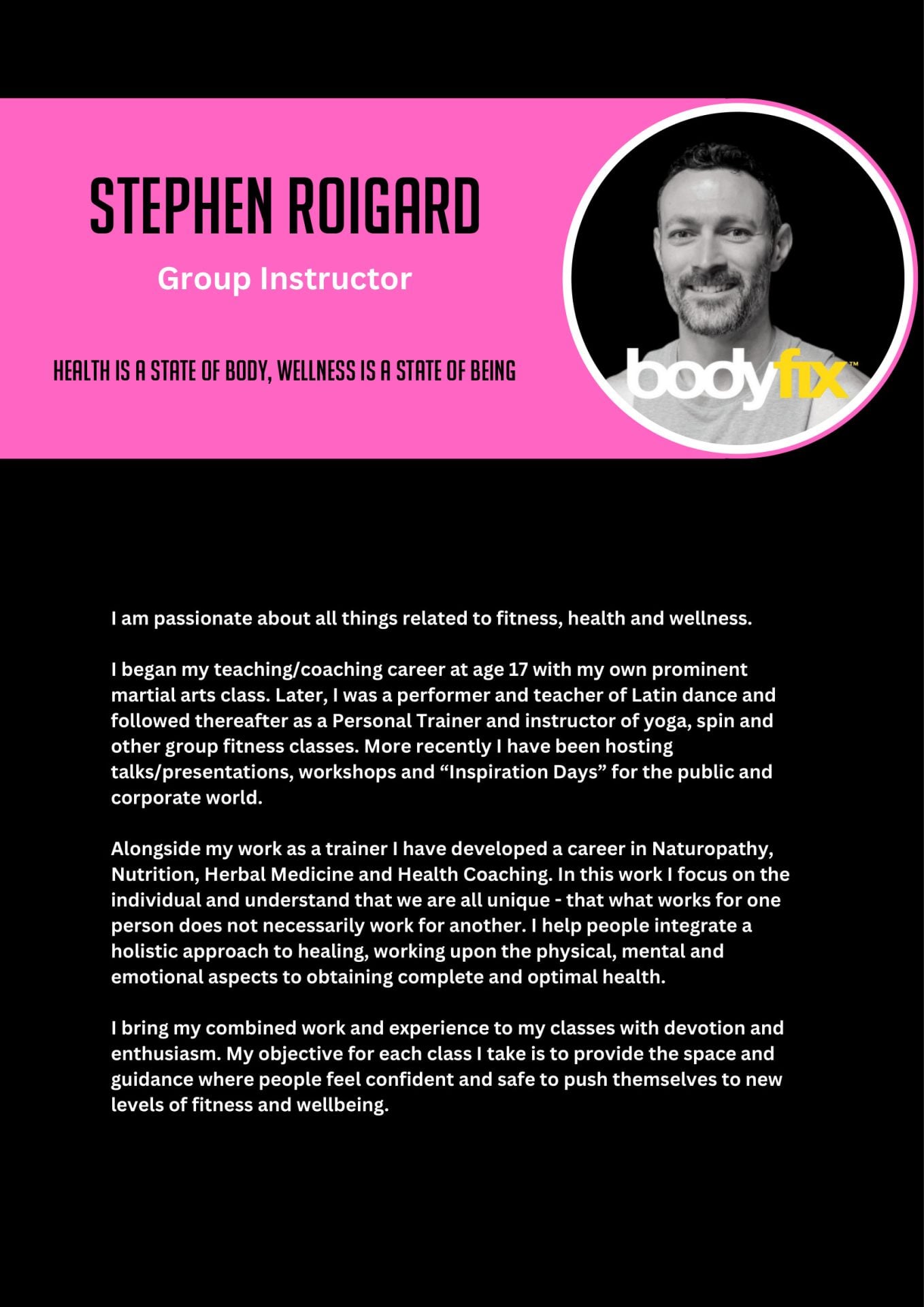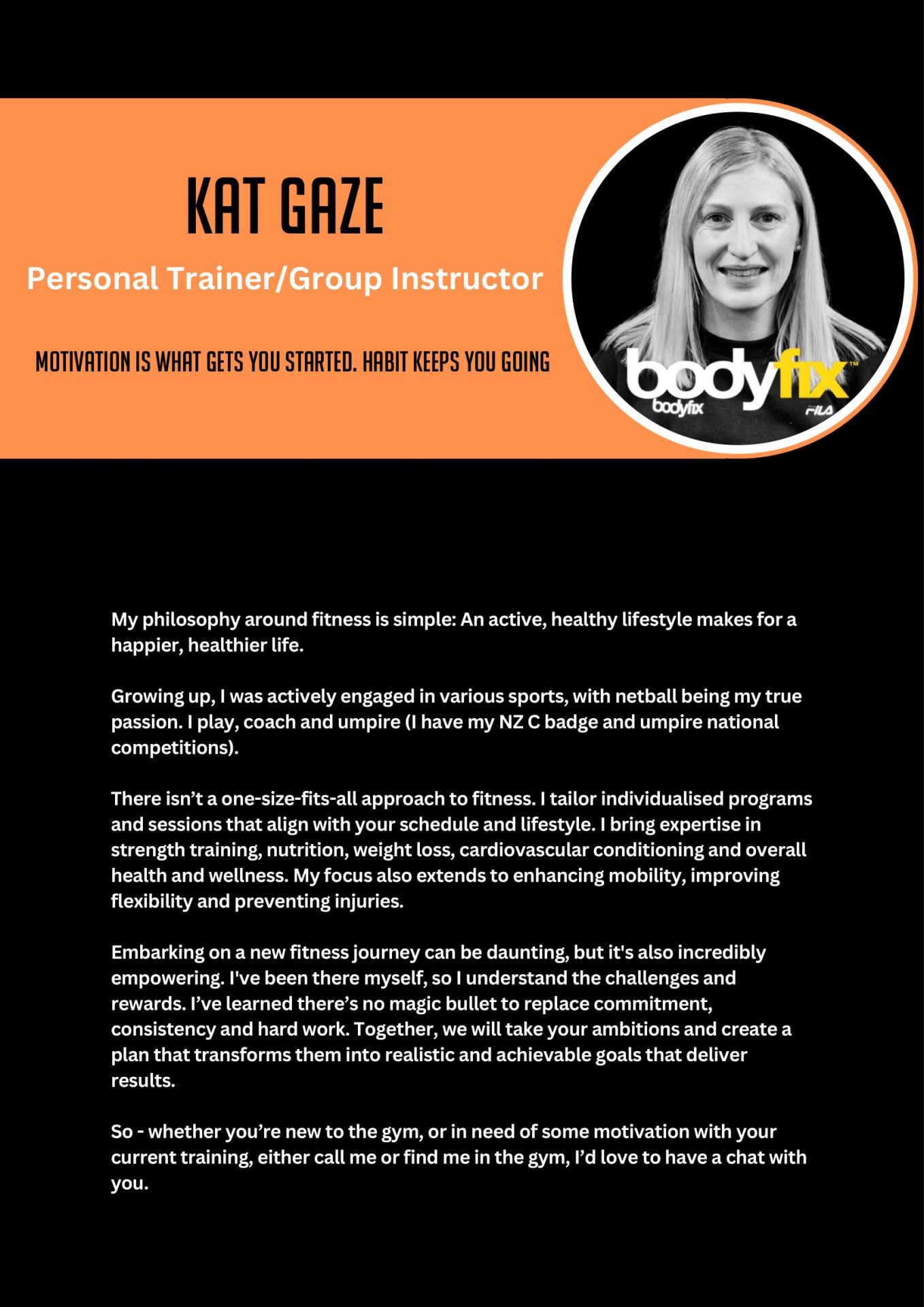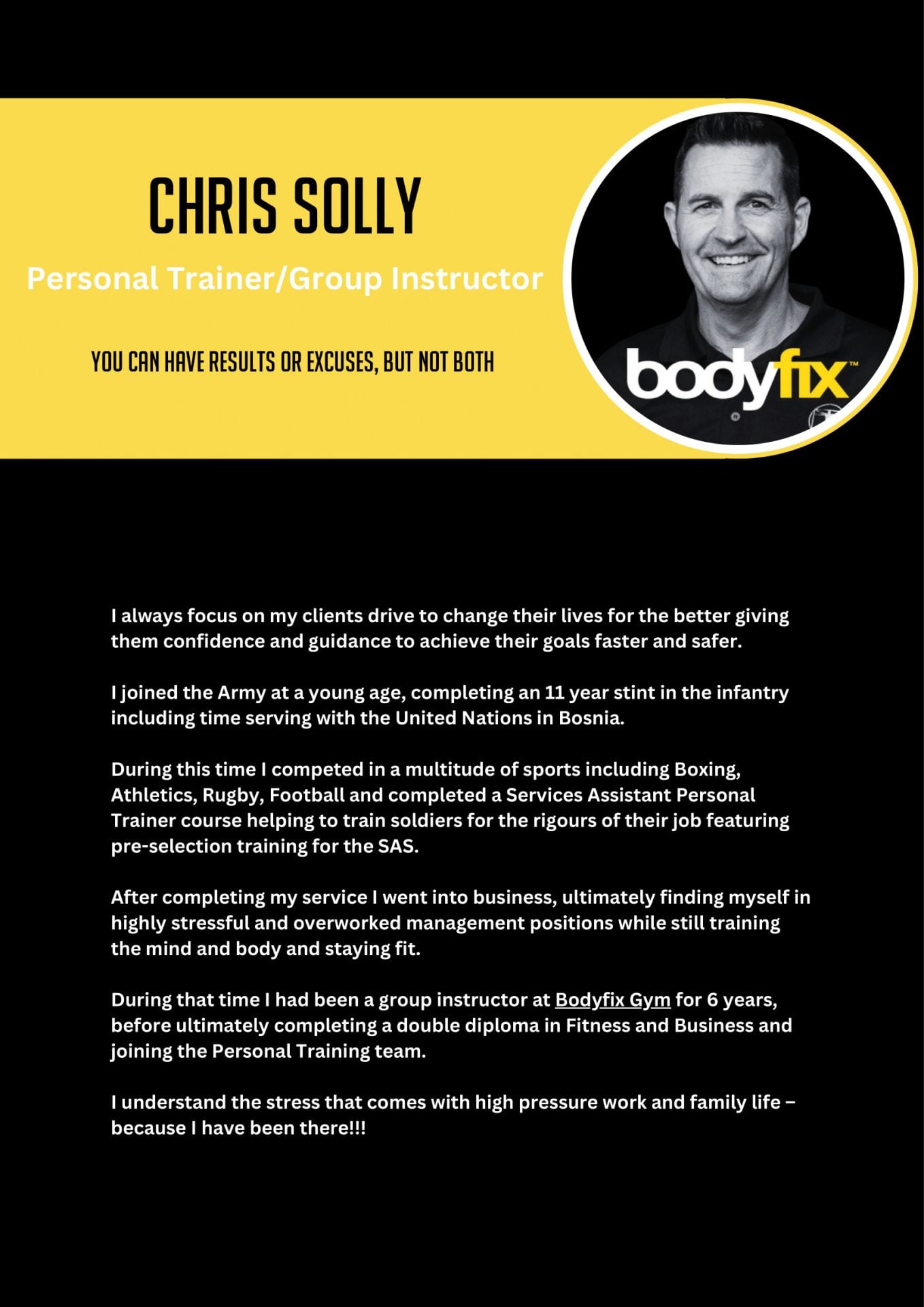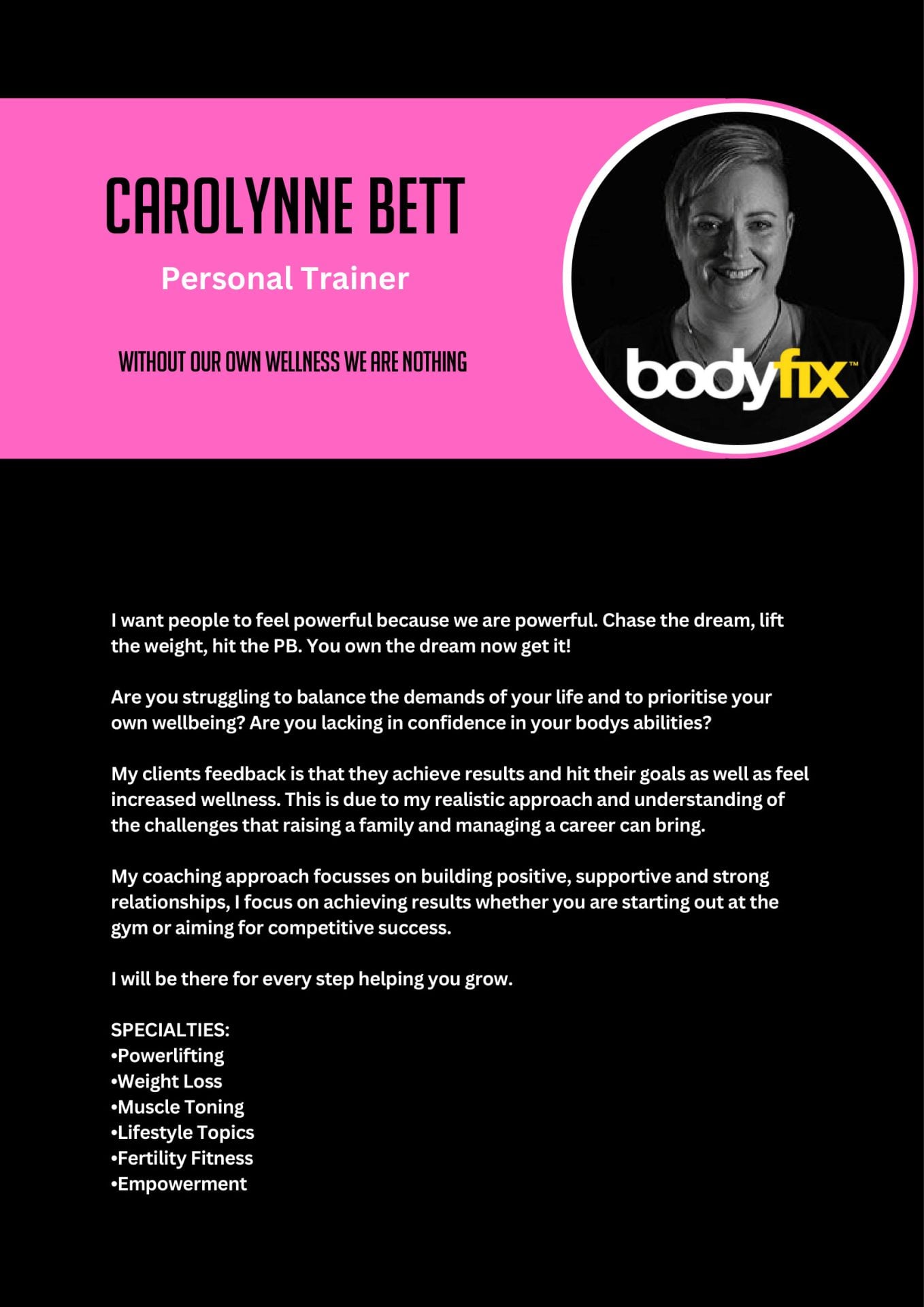
If you’re starting your fitness journey or getting back into exercise after a break, one of the first questions you’ll probably ask is: how often should I go to the gym to see results?
Is going three times a week enough? Should you lift weights every day? And do group fitness classes count towards your weekly workouts?
The good news is that you don’t need to spend every spare hour in the gym to make meaningful progress. Whether your fitness goals involve losing body fat, building muscle, improving cardiovascular fitness or simply leading a healthier lifestyle, consistency matters more than training every day.
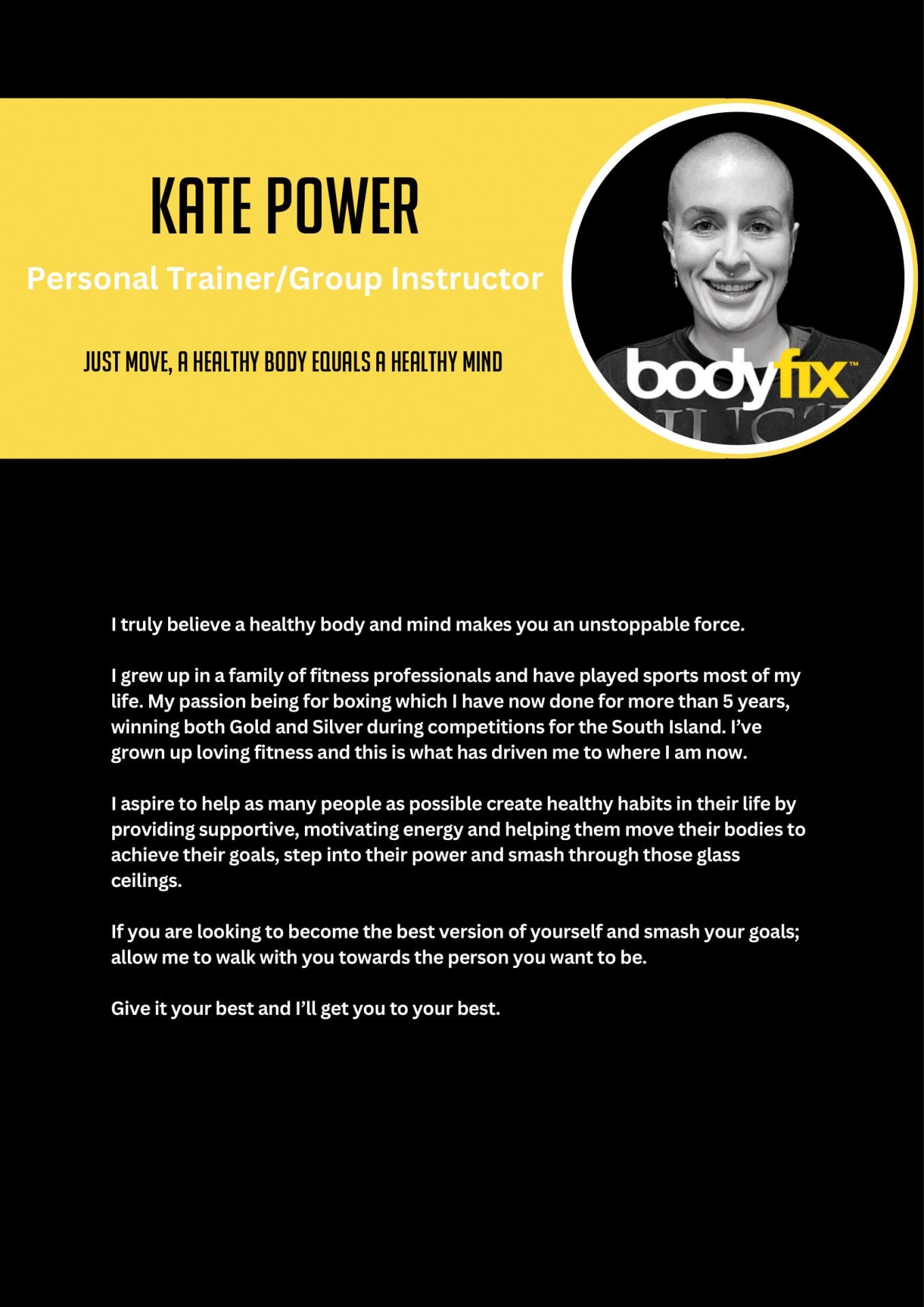
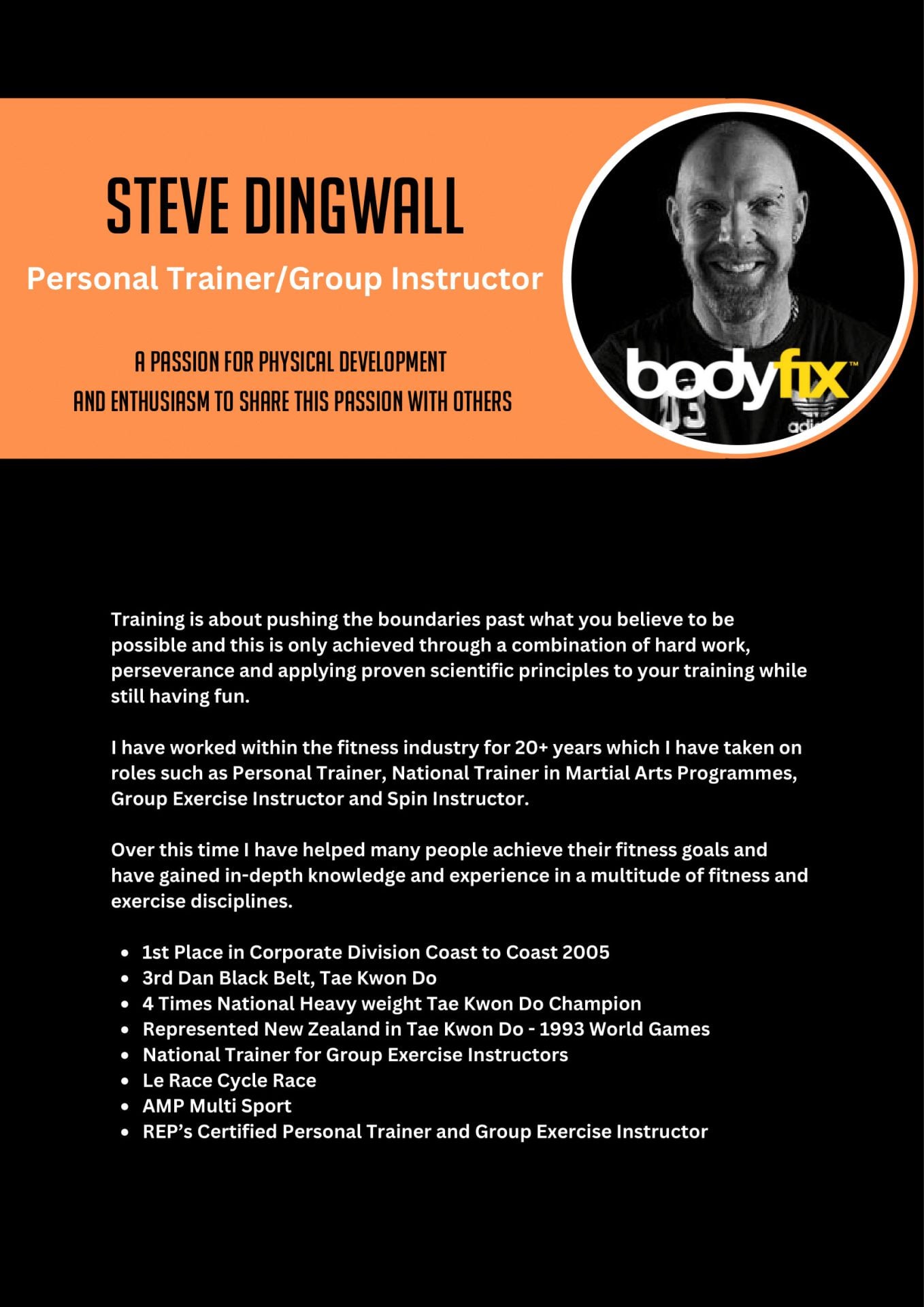
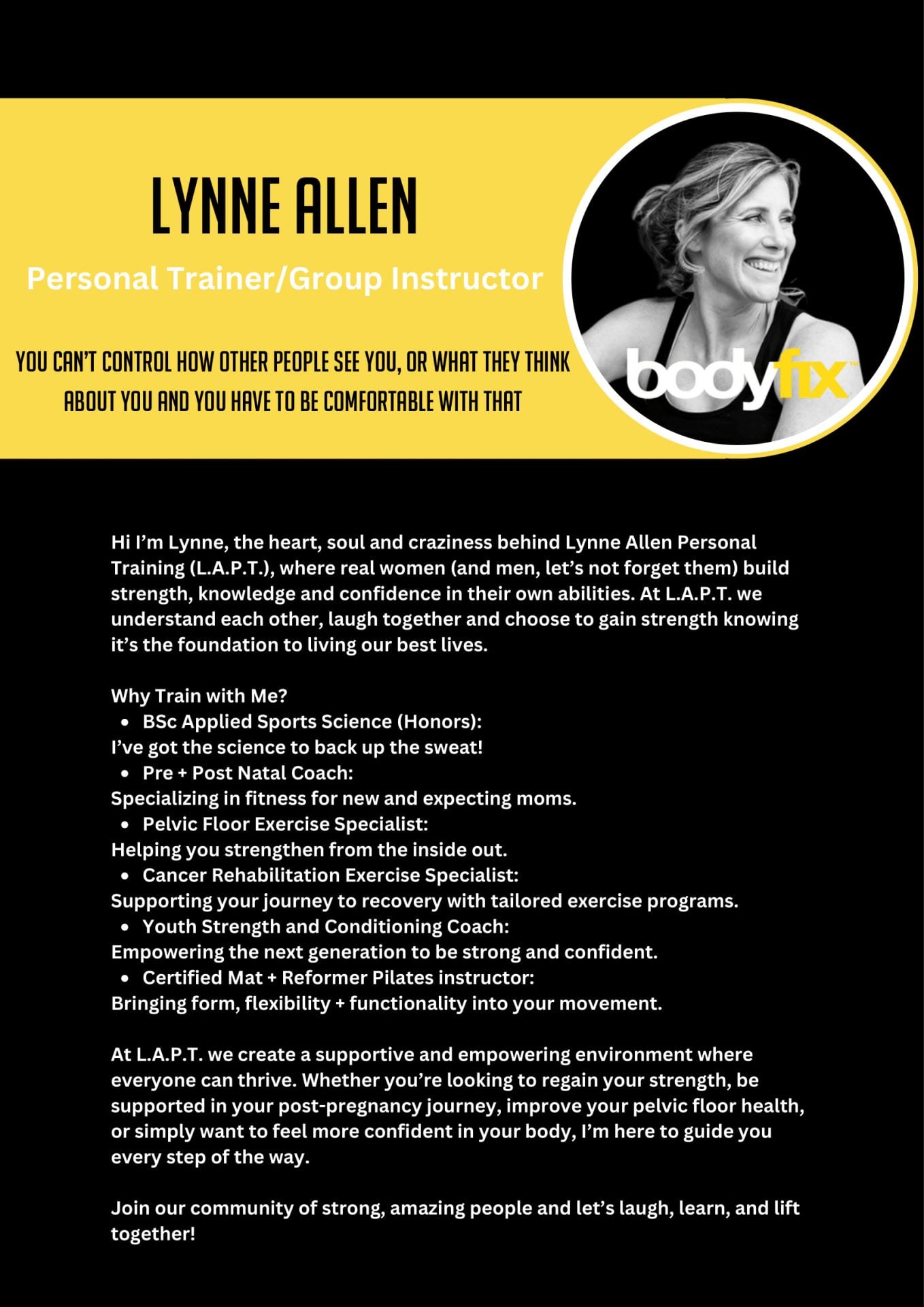
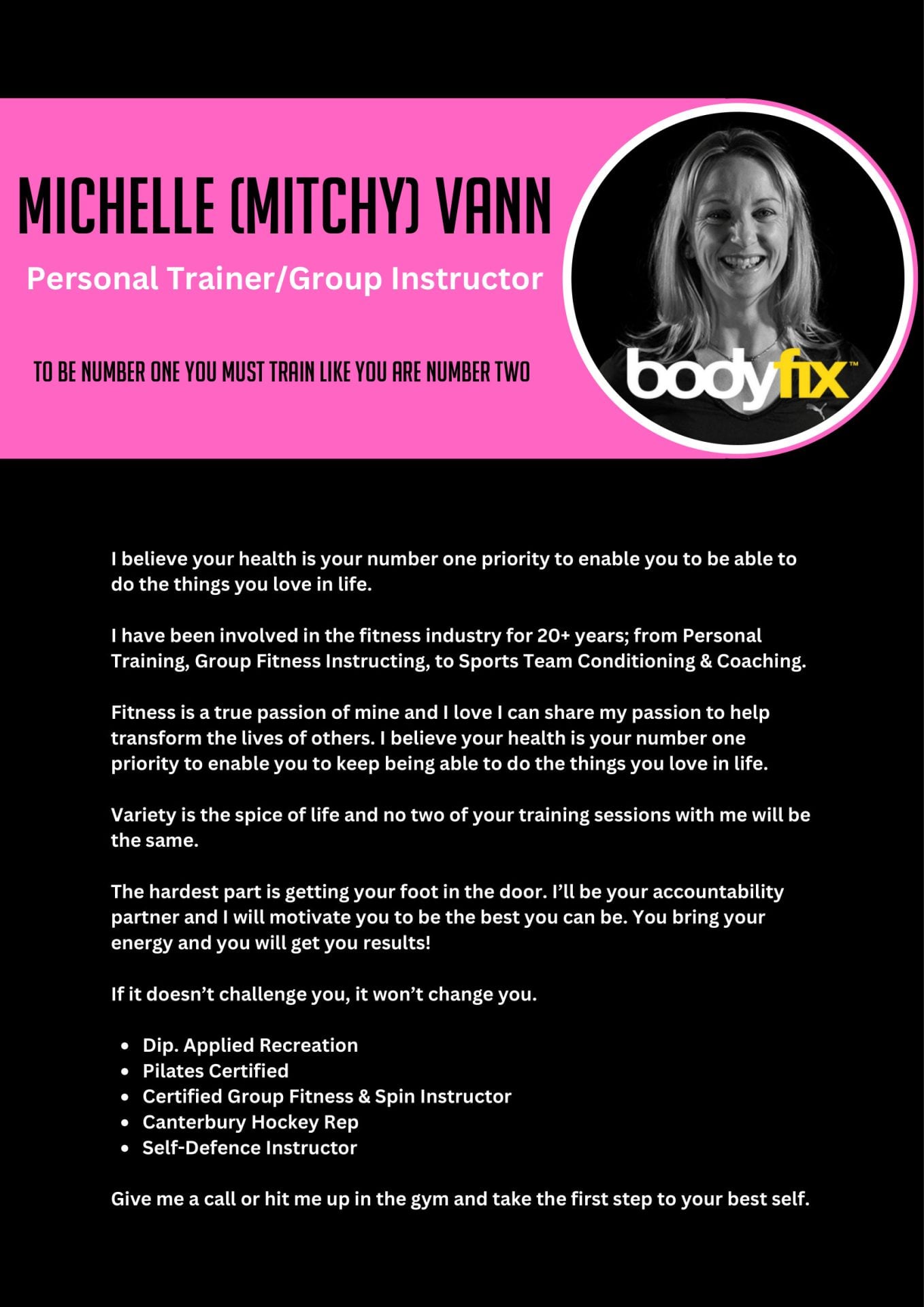
At BodyFix, a gym in Christchurch, we offer a diverse range of ways to train, from independent strength workouts and cardio to instructor-led group fitness classes and personal training.
With experienced instructors, personal trainers, gym equipment and a varied class timetable, our focus is helping you build a fitness routine that suits your current fitness level, lifestyle and long-term health and fitness goals.
Quick Overview: How Many Times a Week Should You Go to the Gym?
For most people, going to the gym 2 to 4 times per week is a practical starting point for improving strength, fitness and overall health. The ideal frequency depends on your goals, experience, workout intensity and recovery.
| Gym frequency | What you can achieve |
|---|---|
| 2 days per week | Build a consistent routine, improve strength and establish healthy habits |
| 3 days per week | Balance strength training, cardio, group fitness and recovery |
| 4 days per week | Increase training variety and work towards more specific fitness goals |
| 5+ days per week | Follow a more advanced routine when intensity and recovery are managed |
You don’t have to do the same workout every time.
At BodyFix Christchurch, you can combine group fitness classes, independent gym workouts and personal training to create a routine that suits you.
Ready to kick-start your fitness journey? Try BodyFix free for 7 days.
Find a routine that fits your week
Try BodyFix free for 7 days and see how gym training and group fitness fit around your schedule.
How Often Should You Go to the Gym to See Results?
For many people, three gym sessions per week is a great place to start.
It provides opportunities to challenge your muscles, improve cardiovascular fitness and build consistent exercise habits while leaving time for recovery.
However, there is no universal number of gym visits that guarantees results.
Your ideal training frequency depends on:
- Your fitness goals: Building muscle, losing body fat, improving endurance and maintaining general health may require different approaches.
- Your current fitness levels: Beginners often benefit from fewer, well-structured workouts before increasing their training volume.
- Workout intensity: High intensity interval training and challenging strength sessions generally require more recovery than lighter activity.
- Your lifestyle: Work, family, sleep and other commitments influence how often you can realistically train.
- Your recovery: Your body needs time to adapt to exercise, particularly when increasing resistance, duration or intensity.
The important thing is to consider your total physical activity across the week rather than judging progress by how many days you walk through the gym doors.
For example, two full-body strength workouts, one group fitness class and regular walking could be an excellent weekly routine.
What Do the Exercise Guidelines Recommend?
New Zealand’s adult physical activity guidance recommends aiming for at least 150 minutes of moderate-intensity activity or 75 minutes of vigorous-intensity activity per week, alongside muscle-strengthening activities on at least two days.
For additional health benefits, adults can work towards 300 minutes of moderate-intensity activity weekly.
These recommendations cover total physical activity, not just gym workouts.
That means your BodyFix classes, strength training, cycling, walking and other activities can all contribute towards a healthy, active lifestyle.
For further guidance, see the World Health Organization’s physical activity recommendations.
Is Going to the Gym 3 Times a Week Enough?
Yes. Going to the gym three times per week can be enough to build strength, improve cardiovascular fitness, support fat loss and develop a sustainable exercise routine.
For many beginners and intermediate gym members, three well-planned workouts can deliver meaningful improvements over time.
The key is making those sessions count.
Example: A 3-Day Gym Routine at BodyFix
| Day | Workout | Main benefit |
|---|---|---|
| Monday | Full-body strength training | Build muscle and strength |
| Wednesday | Spin Fix or another cardio-focused class | Improve cardiovascular fitness |
| Friday | Pump Fix or full-body strength training | Develop strength and muscular endurance |
| Other days | Walking, mobility or rest | Support activity and recovery |
This approach combines resistance training with cardio while allowing recovery between more demanding workouts.
Prefer group fitness?
You could attend two classes and complete one independent strength workout instead, provided your chosen classes cover your training goals.
With BodyFix’s group fitness timetable, you can find different ways to fit structured workouts around work, family and everyday commitments.
Three consistent workouts every week will generally achieve more than training intensely for a few days and then stopping for several weeks.
How Often Should Beginners Go to the Gym?
If you’re joining a new gym or haven’t exercised regularly in a long time, two to three sessions per week is a sensible starting point.
You don’t need to train every day to make progress.
In fact, doing too much too soon can leave you exhausted, unusually sore or struggling to stay motivated.
Instead, focus on building confidence with the basics.
Start With Two Gym Sessions Per Week
Two visits can help establish a manageable fitness routine without feeling overwhelming.
For example:
Tuesday: Full-body strength workout covering your legs, back, chest and core.
Friday: A second full-body workout or a suitable beginner-friendly group fitness class.
On other days, incorporate walking, mobility exercises or lighter activity.
As your fitness improves, you can gradually add another session.
Learn the Exercises Before Increasing the Weight
If you’re new to strength training, start with fundamental movements such as:
- Squats or leg presses
- Rows
- Chest presses
- Hip hinge exercises
- Step-ups
- Core exercises
You can use a combination of free weights, resistance machines and bodyweight exercises.
The aim is to develop good technique and movement confidence before increasing the challenge.
Can a Personal Trainer Help Beginners?
Absolutely.
Working with a personal trainer can be particularly useful if you’re unsure how to use gym equipment, structure your workouts or determine the right training frequency.
A personal trainer can help establish your starting point, discuss your health and fitness goals and develop a programme suited to your experience.
At BodyFix Christchurch, our personal trainers can provide individual guidance, exercise progression and accountability.
You don’t need to be fit before joining a gym.
Any age. Any level.
How Many Days a Week Should You Go to the Gym to Lose Weight?
If your goal is weight loss, three to five days of planned exercise per week can be a useful routine, but the number of gym visits alone doesn’t determine how much weight you’ll lose.
Reducing body fat generally requires a sustained energy deficit, meaning your body uses more energy than you consume over time.
Exercise contributes to this process, but nutrition, daily movement, sleep and consistency also matter.
Combine Strength Training and Cardio
Rather than spending every session on a treadmill, include both resistance training and cardiovascular exercise.
Strength training helps maintain muscle mass during weight loss and improves overall strength.
Cardio supports heart health, endurance and energy expenditure.
Group fitness classes provide a structured way to incorporate different forms of exercise into your week.
At BodyFix, you might combine:
- Pump Fix for resistance training and muscular endurance.
- Spin Fix for cardiovascular fitness.
- HIIT/Circuit for interval-based training.
- Independent gym sessions for progressive strength training.
- Walking and everyday movement outside the gym.
The goal isn’t to complete as many demanding workouts as possible.
It’s to create a balanced routine that supports fat loss without leaving you constantly exhausted.
Can You Lose Belly Fat by Going to the Gym?
Yes, regular exercise can contribute to reducing abdominal fat, but you cannot choose exactly where your body loses fat.
Sit-ups and crunches strengthen your abdominal muscles, but they don’t specifically burn belly fat.
Reducing overall body fat through appropriate nutrition, resistance training, cardiovascular exercise and regular movement is a more effective approach.
For more practical advice, read our guide to the best exercises to lose a dad bod.
Does Walking Count as Exercise?
Absolutely.
Walking increases your overall physical activity and can support cardiovascular health, weight management and recovery.
Whether it’s a lunchtime walk, an evening stroll or getting outdoors around Christchurch on the weekend, everyday movement contributes towards your weekly activity goals.
You don’t need every day to involve an intense gym workout.
How Often Should You Lift Weights to Build Muscle?
For most beginners, training each major muscle group at least twice per week is an effective starting point for building muscle and strength.
You can achieve this through two or three full-body workouts or a more structured training programme.
The right approach depends on your experience, total training volume and recovery.
Two Full-Body Strength Workouts Per Week
This is a practical option for beginners and people with busy schedules.
Each session includes exercises targeting the major muscle groups, such as:
- Squats or leg presses
- Deadlift variations
- Rows
- Chest presses
- Shoulder presses
- Core exercises
Three Strength Workouts Per Week
Three sessions provide more opportunities to practise movements, gradually increase resistance and distribute your training volume across the week.
You could follow a full-body programme on Monday, Wednesday and Friday.
Alternatively, you could combine two independent strength sessions with Pump Fix, depending on the resistance used and your recovery.
Four or More Strength Sessions
Training more often isn’t automatically better.
Your results depend on training quality, progressive overload, nutrition and adequate recovery.
What Gym Equipment Should You Use?
A balanced strength programme can incorporate different types of gym equipment.
Free weights, including dumbbells and barbells, allow you to perform compound exercises that train multiple muscle groups.
Resistance machines provide a more controlled way to target specific muscles and can be useful when learning movements or following a structured programme.
Cardio equipment, such as treadmills, rowing machines and stationary bikes, provides additional options for cardiovascular fitness and endurance training.
You don’t need to use every machine in the gym.
Choose equipment that supports your fitness goals and allows you to progress safely.
At BodyFix, you can combine independent workouts using our gym facilities with group fitness and personal training.
See what’s on this week
Browse the Christchurch group fitness timetable and pick a class that suits your goals.
Do Group Fitness Classes Count as Gym Workouts?
Yes. Group fitness classes count towards your weekly physical activity, and depending on the class, they can help improve cardiovascular fitness, strength, muscular endurance, mobility and overall health.
You don’t have to train independently on the gym floor to see results.
For many people, group fitness is one of the easiest ways to establish a consistent exercise routine.
Why Group Fitness Can Help You Stay Motivated
When you train alone, it’s easy to put off a workout.
You might arrive at the gym unsure what to do, repeat the same exercises or struggle to maintain motivation.
Group fitness removes much of that decision-making.
The workout is planned, the instructor leads the session and you have a scheduled time to train.
You also have the opportunity to exercise alongside other members, which can make workouts more enjoyable and help you maintain a regular routine.
At BodyFix Christchurch, our diverse range of group fitness classes means you can choose workouts that suit your goals, preferences and fitness levels.
Which Group Fitness Classes Should You Try at BodyFix Christchurch?
One of the biggest advantages of training at BodyFix is that you don’t have to follow the same workout routine every week.
Our group fitness classes in Christchurch provide different ways to build strength, improve cardiovascular fitness, develop flexibility and keep your workouts interesting.
Whether you’re looking for endurance training, high intensity interval training, strength, mobility or dance-based cardio, there’s plenty of variety.
Here’s how our classes can fit into your weekly fitness routine.
Pump Fix: Strength Training and Muscular Endurance
Want to get stronger but prefer the structure of a class?
Pump Fix is BodyFix’s barbell-based group fitness class, using resistance exercises to challenge major muscle groups.
You can expect movements such as squats, presses, lifts and curls, with resistance adjusted to your ability.
Pump Fix can help you:
- Improve muscular endurance.
- Develop strength.
- Build confidence using weights.
- Introduce resistance training into your fitness routine.
- Add variety to your gym workouts.
If building muscle is your primary goal, Pump Fix can complement a progressive strength training programme.
Best suited to: People wanting a structured strength-focused class.
Spin Fix: Cardiovascular Fitness and Endurance
If improving your cardiovascular fitness is the goal, Spin Fix is a great option.
These instructor-led indoor cycling classes use varying resistance and cycling intensity to challenge your legs, heart and lungs.
One of the advantages of indoor cycling is that you can adjust the resistance to suit your current fitness level.
Spin Fix can help you:
- Improve aerobic fitness.
- Build lower-body muscular endurance.
- Increase weekly cardiovascular activity.
- Add a lower-impact alternative to running.
- Enjoy a structured cardio workout.
You can combine Spin Fix with strength training or other group fitness classes depending on your goals.
Best suited to: People looking to improve cardiovascular fitness and endurance.
HIIT/Circuit and HIIT/Core: High-Intensity Interval Training
Short on time but enjoy a challenging workout?
BodyFix’s HIIT/Circuit and HIIT/Core classes combine interval-based exercise with movements designed to challenge cardiovascular fitness, muscular endurance and core strength.
HIIT involves alternating harder efforts with periods of lower intensity or recovery.
Depending on the session, you may encounter bodyweight exercises, resistance movements and cardiovascular intervals.
These classes can help you:
- Improve cardiovascular fitness.
- Challenge muscular endurance.
- Develop work capacity.
- Add variety to your weekly workouts.
- Make efficient use of training time.
However, higher intensity doesn’t automatically mean better results.
If you’re new to exercise, build your fitness gradually and allow adequate recovery between demanding sessions.
Best suited to: People who enjoy challenging, varied workouts and have an appropriate fitness base.
Punch Fix: Boxing-Inspired Fitness
Looking for something different from traditional gym workouts?
Punch Fix is BodyFix’s non-contact boxing-inspired fitness class.
It combines punching and kicking movements with gloves and pads to create a challenging cardiovascular workout.
Punch Fix can help develop:
- Cardiovascular fitness.
- Coordination.
- Muscular endurance.
- Upper- and lower-body movement.
- Overall workout variety.
You don’t need previous boxing experience to enjoy boxing-inspired fitness.
Best suited to: People who enjoy energetic workouts and want an alternative to conventional cardio training.
Pilates Fix: Core Strength and Stability
Not every gym workout needs to leave you breathless.
Pilates Fix focuses on controlled movement, core strength, stability, flexibility and body awareness.
It can be a useful complement to resistance training and cardiovascular exercise.
Pilates Fix can help you:
- Improve core strength and endurance.
- Develop balance and stability.
- Improve movement control.
- Work on flexibility.
- Add a different training stimulus to your week.
Best suited to: People wanting to develop core stability, balance and controlled movement.
Yoga Fix: Flexibility, Mobility and Balance
Yoga Fix combines movement, postures and breathing to support flexibility, mobility, balance and relaxation.
If your week already includes several demanding strength or cardio workouts, yoga can provide a lower-intensity alternative.
Yoga Fix can help you:
- Work on flexibility and mobility.
- Develop balance.
- Improve body awareness.
- Practise controlled breathing.
- Add variety between more demanding workouts.
Best suited to: People wanting to improve flexibility, mobility and balance.
Zumba: Dance-Based Cardio
If you struggle to stay motivated on a treadmill, Zumba could be your fix.
BodyFix’s Zumba classes combine music and dance-inspired movements to create an enjoyable cardiovascular workout.
You don’t need dancing experience or perfect coordination.
Zumba can help you:
- Improve cardiovascular endurance.
- Increase physical activity.
- Develop coordination.
- Enjoy a different style of workout.
- Make exercise feel less repetitive.
Best suited to: People who enjoy music, movement and social group exercise.
Stomp Fix: Step-Based Cardio
Stomp Fix combines step movements with energetic choreography to challenge cardiovascular fitness and coordination.
Step-based workouts provide a different way to develop aerobic fitness while keeping exercise interesting.
Stomp Fix can help you:
- Improve cardiovascular fitness.
- Develop coordination.
- Challenge lower-body endurance.
- Increase overall activity.
- Add variety to your workout schedule.
Best suited to: People who enjoy rhythmic movement and energetic cardio classes.
Stretch Fix: Flexibility and Mobility
Recovery deserves a place in your weekly training routine too.
Stretch Fix provides dedicated time to focus on flexibility, mobility and range of motion.
It can complement strength training, group fitness and other demanding workouts without adding another high-intensity session.
Stretch Fix can help you:
- Work on flexibility.
- Improve range of motion.
- Include dedicated mobility training.
- Balance more demanding workouts.
- Develop a more rounded fitness routine.
Best suited to: People wanting to improve flexibility and include lower-intensity movement in their week.
Which BodyFix Classes Are Best for Your Fitness Goals?
| Your fitness goal | BodyFix classes to consider |
|---|---|
| Build strength and muscular endurance | Pump Fix |
| Improve cardiovascular fitness | Spin Fix, Zumba, Punch Fix, Stomp Fix |
| Challenge your fitness | HIIT/Circuit, HIIT/Core |
| Improve core stability | Pilates Fix, HIIT/Core |
| Improve flexibility and balance | Yoga Fix, Pilates Fix |
| Add mobility work | Stretch Fix, Yoga Fix |
| Enjoy more workout variety | Zumba, Punch Fix, Spin Fix |
You don’t have to choose just one.
For example, if you’re aiming to train three times per week, you might attend Pump Fix, Spin Fix and complete a full-body strength workout.
If you prefer four sessions, you could add Pilates Fix or Yoga Fix to work on movement control and mobility.
The key is balancing your training so that you’re challenging yourself while allowing enough recovery.
Explore all BodyFix group fitness classes and view the current timetable.
Can You Combine Group Fitness With Weight Training?
Yes, and it’s often an excellent combination.
Strength training helps develop muscle and physical strength, while group fitness can introduce variety and additional cardiovascular or muscular endurance work.
For example, your week could include:
- Two strength sessions.
- One Spin Fix class.
- One Pilates Fix or Yoga Fix class.
- Walking or lighter activity on other days.
Alternatively, you might prefer group fitness as your main form of exercise and add one dedicated strength session.
The important thing is choosing classes and workouts that complement one another rather than repeatedly training at maximum intensity.
If you’re attending several demanding classes, make sure you’re giving yourself enough time to recover.
Is It Better to Go to the Gym Every Day or Take Rest Days?
Rest days are an important part of a balanced fitness routine.
When you exercise, particularly during challenging strength training, your body experiences physical stress. Recovery allows it to adapt and prepare for future training.
Without adequate recovery, you may experience:
- Persistent muscle soreness.
- Unusual fatigue.
- Reduced workout performance.
- Difficulty sleeping.
- Loss of motivation.
- Increased risk of overuse injuries.
That doesn’t mean you need to spend your rest days sitting on the couch.
Active Recovery vs Complete Rest
Active recovery involves gentle movement such as walking, easy cycling or mobility exercises.
Complete rest means taking a break from structured exercise, which may be appropriate when you’re particularly fatigued, unwell or recovering from injury.
Both have their place.
At BodyFix, a lower-intensity class such as Yoga Fix or Stretch Fix may be an option on a lighter training day, provided it suits your recovery needs.
How Many Rest Days Should You Take?
Many people benefit from one to three days without demanding workouts each week, depending on their training schedule and recovery needs.
You can still stay active through walking and everyday movement.
How Long Does It Take to See Results From Going to the Gym?
Some benefits of exercise can be noticed relatively quickly, while visible changes in muscle size and body composition generally take longer.
There isn’t a guaranteed timeline because results depend on your starting fitness, goals, training programme, nutrition and recovery.
The First Few Weeks
You may notice improvements in:
- Energy and mood.
- Confidence.
- Exercise technique.
- Workout consistency.
- Familiarity with gym equipment and classes.
Strength can also begin improving as your nervous system becomes more efficient at performing movements.
After Several Weeks
With consistent training, you may notice:
- Improved cardiovascular fitness.
- Better muscular endurance.
- Increased strength.
- Greater confidence in group fitness classes.
- Everyday activities feeling easier.
Over Several Months
Depending on your programme and nutrition, you may begin seeing more noticeable changes in:
- Muscle development.
- Body composition.
- Strength.
- Fitness.
- Overall physical capacity.
The important thing is not to judge progress entirely by the scales or the mirror.
Being able to lift more, complete a class more comfortably, walk further or train consistently are all meaningful signs of progress.
What Is the Best Gym Schedule for Your Fitness Goals?
There isn’t one perfect gym schedule.
Here are three practical approaches you could follow at BodyFix.
Option 1: The 2-Day Beginner Routine
Best for: People new to exercise, returning after a break or balancing a busy schedule.
| Day | Activity |
|---|---|
| Monday | Full-body strength workout |
| Tuesday | Walking |
| Wednesday | Rest |
| Thursday | Pump Fix or another suitable class |
| Friday | Walking |
| Saturday | Optional outdoor activity |
| Sunday | Rest |
Focus: Build confidence, establish consistency and gradually improve fitness.
Option 2: The 3-Day Balanced Routine
Best for: General fitness, strength, health and sustainable progress.
| Day | Activity |
|---|---|
| Monday | Full-body strength training |
| Tuesday | Walking or recovery |
| Wednesday | Spin Fix |
| Thursday | Rest |
| Friday | Pump Fix or full-body strength training |
| Saturday | Outdoor activity |
| Sunday | Rest |
Focus: Combine strength, cardio and recovery without overcomplicating your week.
Option 3: The 4-Day Fitness Routine
Best for: People wanting more variety and additional training opportunities.
| Day | Activity |
|---|---|
| Monday | Upper-body strength |
| Tuesday | Spin Fix |
| Wednesday | Recovery |
| Thursday | Lower-body strength |
| Friday | Rest |
| Saturday | Pilates Fix or Zumba |
| Sunday | Walking or rest |
Focus: Build strength, improve fitness and enjoy a varied training routine.
These are example routines rather than confirmed class times. Check the current BodyFix timetable for session availability.
Want some guidance?
Our personal trainers can build a programme around your goals, schedule and experience.
Can a Personal Trainer Help You See Results Faster?
If you’re unsure how often you should train, what exercises to do or how to structure your workouts, working with a personal trainer can help remove the guesswork.
A personal trainer can help you create a programme based on your current fitness levels, training experience, lifestyle and health and fitness goals.
Rather than following a generic workout plan, you’ll have guidance on how to train effectively and progress at an appropriate pace.
Start With Your Current Fitness Level
An initial discussion or fitness assessment can help establish your starting point by considering factors such as strength, movement, cardiovascular fitness and exercise experience.
This information can be useful when planning workouts and monitoring improvements.
Not everyone needs the same training frequency or exercise intensity.
Build a Programme Around Your Goals
Your programme might focus on:
- Strength training and muscle development.
- Cardiovascular fitness and endurance training.
- Body composition and weight management.
- Mobility and functional movement.
- Building confidence in the gym.
- Establishing a sustainable fitness routine.
Stay Motivated and Accountable
Having a programme is one thing. Following it consistently is another.
Personal training provides structured guidance, feedback and accountability, helping you stay focused on the progress you’re working towards.
At BodyFix Christchurch, our personal trainers can help you develop a routine that complements independent gym sessions and group fitness classes.
Whether you’re just starting your fitness journey or want to progress your training, having the right guidance can make a difference.
What If You Keep Starting and Stopping Your Gym Routine?
This is one of the most common challenges people face.
You start with plenty of motivation, train hard for a couple of weeks, then life gets busy and your routine disappears.
The solution usually isn’t more motivation.
It’s making your routine easier to maintain.
Choose a Realistic Number of Sessions
If you can consistently manage three gym visits, don’t build a programme that requires six.
Start with what you can maintain and increase your training when you’re ready.
Put Your Workouts in the Diary
Treat your training like any other important appointment.
Having a regular class time or planned gym session can help make exercise part of your weekly routine.
Find Training You Enjoy
Not everyone enjoys lifting weights alone.
Some people love Spin Fix. Others prefer Pump Fix, Zumba, Pilates, personal training or a combination.
There’s no reason your fitness routine needs to look like someone else’s.
Focus on Progress, Not Perfection
Missing one workout doesn’t mean you’ve failed.
If you miss a session, simply get back into your routine when you can.
Long-term consistency matters far more than a perfect week.
.
Consider when you realistically want to train, whether that’s before work, during lunch, after work or on weekends.
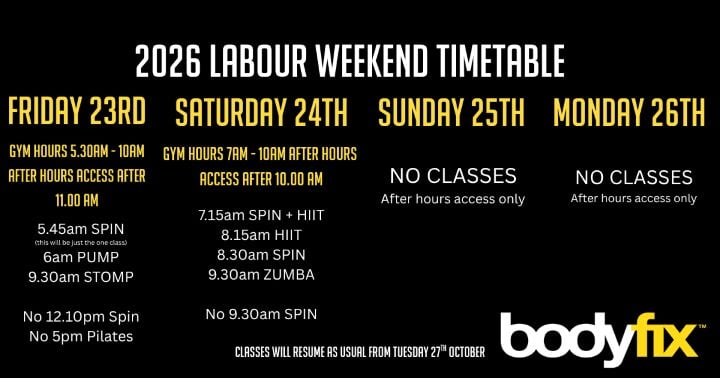
Check opening and staffed hours, class availability and any changes during public holidays.
Consider Membership Options
When comparing gym memberships, look at what’s included rather than focusing only on the advertised price.
Consider group fitness access, personal training options, joining fees, membership terms and any additional services.
The right membership should suit both your training goals and your budget.
Make Consistency the Priority
Whether you’re comparing Christchurch gyms or looking for a new gym after time away from exercise, choose somewhere that makes it easier to keep showing up.
A convenient location, enjoyable classes, suitable facilities and access to guidance can all help you build a sustainable fitness routine.
Why Choose BodyFix Gym Christchurch?
At BodyFix, we believe improving your health and fitness should be achievable, enjoyable and sustainable.
You don’t need to follow one specific workout programme or train every day.
Our gym offers different ways to work towards your fitness goals.
Group Fitness Classes
From Pump Fix and Spin Fix to Pilates, Yoga, Zumba, Punch Fix and HIIT, our group fitness classes provide variety and instructor-led workouts.
Gym Facilities
Prefer to train independently?
Our gym facilities give you options for strength training, cardio and general fitness.
Personal Training
If you need guidance, technique support or extra accountability, our personal trainers can help you build a programme suited to your goals and experience.
A Fitness Routine That Works for You
You don’t have to choose between group fitness, weight training and cardio.
You can combine them.
Whether you’re starting with two workouts per week or building towards four, BodyFix gives you different ways to get your workout fix.
Any age. Any level.
Ready to Find Your Workout Fix?
You don’t need to wait until January, Monday or the beginning of another month.
Start with a routine that works for you.
Try BodyFix free for 7 days and discover our gym facilities, group fitness classes and training options for yourself.
Frequently Asked Questions
How often should you go to the gym to see results?
For many people, two to four gym sessions per week can be enough to improve strength, cardiovascular fitness and general health. The ideal frequency depends on your goals, experience, workout intensity and recovery. Consistency matters more than simply training as often as possible.
Is going to the gym three times a week enough to build muscle?
Yes. Three well-structured strength workouts per week can support muscle growth, provided you’re training with sufficient resistance, progressively increasing the challenge, eating appropriately and recovering adequately.
Can you see results from going to the gym twice a week?
Yes. Two full-body strength sessions per week can improve strength and support muscle development, particularly for beginners. Adding walking or other cardiovascular activity can further improve overall fitness.
Is four days a week at the gym too much?
Not necessarily. Four sessions per week can be appropriate for many people when workouts are planned to balance training intensity and recovery. The right frequency depends on your experience, health and goals.
Should beginners go to the gym every day?
Generally, beginners don’t need to train every day. Starting with two or three structured workouts per week allows time to learn exercises, build fitness and recover. Light activity such as walking can be included between sessions.
How many times a week should I go to the gym to lose weight?
Three to five planned exercise sessions per week may be practical, but weight loss depends on overall energy balance rather than gym frequency alone. Combining strength training, cardio, regular movement and appropriate nutrition is usually more effective than focusing on the number of gym visits.
Do group fitness classes count towards weekly exercise recommendations?
Yes. Group fitness classes count towards weekly physical activity recommendations when their intensity and duration meet the relevant guidelines. Classes such as Spin Fix, Zumba and HIIT can contribute towards cardiovascular activity, while Pump Fix and other resistance-based workouts may contribute towards muscle-strengthening recommendations.
Which BodyFix group fitness classes are best for beginners?
The best class depends on your fitness level and preferences. Spin Fix allows you to adjust cycling resistance, while Pilates Fix and Yoga Fix focus on controlled movement, stability and flexibility. Pump Fix may also be suitable with appropriate resistance and technique guidance. Speak with the instructor about your experience before starting.
Is Pump Fix good for building muscle?
Pump Fix uses resistance exercises that can help develop muscular endurance and strength. It can contribute to muscle development, particularly for beginners, although a progressive strength training programme may be more suitable for maximising muscle growth.
Is Spin Fix good for weight loss?
Spin Fix can support weight loss by increasing cardiovascular activity and energy expenditure. However, weight loss depends on overall energy balance, so combining exercise with appropriate nutrition and other healthy habits is important.
Is HIIT better than regular cardio?
Not necessarily. HIIT can be an efficient way to improve cardiovascular fitness, but moderate-intensity cardio also offers substantial health benefits. The best approach depends on your fitness level, preferences, goals and recovery.
Should I do cardio every time I go to the gym?
No. You can distribute cardio throughout the week and combine it with strength training, group fitness and everyday movement. The ideal balance depends on your goals and preferences.
How long should a gym workout last?
Many effective gym sessions last around 30 to 60 minutes, although shorter or longer workouts can also be beneficial. Workout quality, intensity and consistency are more important than duration alone.
How many rest days should I have each week?
Rest requirements vary with training intensity, experience and recovery. Many people benefit from one to three days without demanding workouts each week. Gentle activity can still be included on recovery days.
Is group fitness or personal training better for beginners?
Both can work well. Group fitness offers structured workouts led by an instructor, while personal training provides individualised guidance and programming. At BodyFix Christchurch, you can choose the approach that best suits your confidence, goals and experience.
What should I look for when joining a gym in Christchurch?
When choosing a gym in Christchurch, consider the available equipment, group fitness classes, personal training, opening hours, membership options and location. The best gym is one that suits your fitness goals, lifestyle and preferred way of training.
Is a gym membership worth it if I only train twice a week?
A gym membership can still offer good value if you train twice per week consistently. Two well-structured strength workouts can contribute to recommended muscle-strengthening activity and help improve strength and fitness. Consider your membership options, facilities and how regularly you’ll use them.
The Bottom Line: How Often Should You Go to the Gym?
You don’t need to go to the gym every day to see results.
For many people, two to four sessions per week is a realistic and effective starting point.
What matters most is choosing a routine that matches your goals, allows enough recovery and fits into your everyday life.
If you enjoy lifting weights, build your routine around strength training.
If you prefer instructor-led workouts, make group fitness part of your week.
If you want more guidance, work with a personal trainer.
At BodyFix Christchurch, you can do all three.
And with classes ranging from Pump Fix and Spin Fix to Pilates, Yoga, Zumba, Punch Fix and HIIT, there’s plenty of variety to help you find a routine you actually enjoy.
The best fitness routine isn’t necessarily the hardest or most complicated.
It’s the one you can keep showing up for.
Start your free 7-day BodyFix trial today.
References and Further Reading
This article draws on established physical activity and exercise guidance. Individual training requirements may vary depending on health, fitness and personal circumstances.
- World Health Organization: Physical Activity Fact Sheet
https://www.who.int/news-room/fact-sheets/detail/physical-activity - World Health Organization: Guidelines on Physical Activity and Sedentary Behaviour
https://www.who.int/publications/i/item/9789240015128 - New Zealand Ministry of Health: Physical activity and healthy living guidance
https://www.health.govt.nz/ - American College of Sports Medicine: Exercise and physical activity resources
https://www.acsm.org/ - Exercise New Zealand: Exercise and fitness industry resources
https://exercisenz.org.nz/
If you have an existing medical condition, are recovering from injury or experience concerning symptoms during exercise, seek advice from an appropriate healthcare professional before significantly increasing your training intensity.
Ready to find your workout fix?
Start with a free 7 day pass, or have a look at our current gym deals.