The Importance of Physical Activity as we move through life
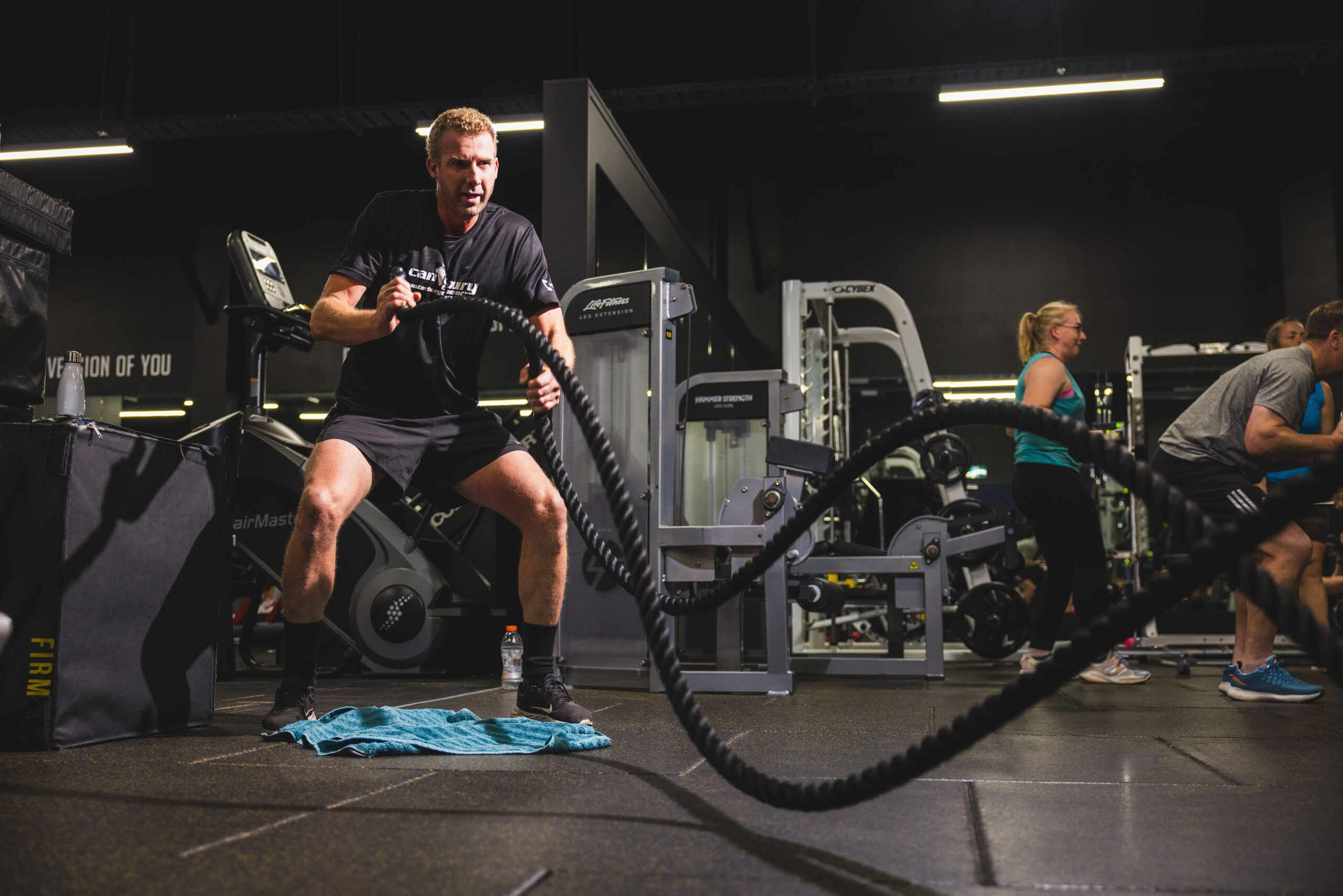
We say it time and time again but regular physical activity, including strength training, is crucial for healthy ageing and maintaining everyday function. Alongside aerobic exercise, resistance training helps build strength, supports balance, and makes daily tasks easier.
At Bodyfix we say ‘Simple daily movement counts’.
Doing a spin class, getting into one of our yoga or pilates classes, even walking to the shops, taking the stairs when you are out and about contribute to your weekly activity.
We encourage a well-structured fitness routine that includes strength work helps prevent and manage chronic conditions, supports heart health, and lowers fall risk by improving lower-body strength and stability.
Here is what we know the benefits of exercise to be
- Build muscle & protect bones: Strength training helps grow and maintain muscle mass, while also supporting bone density and reducing the risk of osteoporosis.
- Improve physical function: Stronger legs, hips, and back make daily activities—such as getting off the sofa, carrying shopping, and climbing stairs—feel easier. Older adults can experience significant improvements in strength with just two or three 20- to 30-minute strength training sessions per week.
- Manage chronic conditions: Combining aerobic activity with strength training supports blood pressure, blood sugar, and a healthy weight. Resistance training is associated with reductions in systolic and diastolic blood pressure for older adults. Muscle tissue secretes substances that encourage cells to use blood sugar more efficiently.
- Boost mental wellbeing: Regular exercise can lift mood, reduce anxiety, and support better sleep. Resistance training has been shown to slow the loss of cognitive function in adults with mild cognitive impairment.
- Maintain independence & quality of life: Strength, balance, and confidence help you keep doing what you love.
Understanding Physical Activity Guidelines
- Aim for at least 150 minutes of moderate aerobic activity per week (or 75 minutes vigorous), spread across the week.
- Do strength training for all major muscle groups (legs, hips, back, chest, shoulders, arms) at least twice per week.
- Use progressive overload: gradually increase the number of reps, sets, or resistance over time.
- Listen to your body—rest when needed to avoid overexertion.
- A balanced plan combines aerobic and strength training, with short mobility/balance practice to enhance joint confidence and prevent falls.
Types of Strength Training
- Free weights (dumbbells, kettlebells): versatile, effective for power and everyday strength and for developing stronger muscles.
- Resistance bands: portable, joint-friendly and ideal for home sessions or warming up before strength training exercises.
- Body weight exercises (push-ups, squats, step-ups): excellent strength exercises for building a solid foundation with minimal equipment.
- Machines: stable and confidence-building—great for beginners or those with mobility concerns, reducing risk of injury and targeting a specific muscle group.
- Group fitness classes at Bodyfix: guided sessions that blend technique, strength and conditioning in a supportive environment.
Not sure where to start? Our coaches can tailor a plan to your goals: /personal-training/
Managing Chronic Conditions
- Regular, well-dosed exercise supports those living with diabetes, heart disease, arthritis or osteoporosis.
- Consult your healthcare provider and a qualified PT before starting; adjust range of motion, tempo and volume to suit.
- Strength training helps maintain bone density, reduces fall risk, and supports mood—valuable benefits for long-term health and independence.
Book a technique check with a Bodyfix PT to tailor your plan: /personal-training/
Nutrition and Exercise
- Balanced meals support energy, recovery, and overall health—build plates around lean protein, vegetables, whole grains, fruit, and healthy fats.
- Prioritise protein across the day to support muscle repair.
- Stay hydrated, especially around training.
- Limit sugary drinks and ultra-processed foods high in saturated/trans fats.
We say ‘Keep It Simple’
However we do have a few qualified nutritionist/dieticians that we work with at Bodyfix so come and see us and we can give you some guidance in this area.
Monitoring Progress and the Many Benefits in Daily Living
- Track key lifts, reps, sets and how they feel (effort out of 10).
- Set realistic goals (e.g., leg press +10 kg in 8 weeks, 10 comfortable sit-to-stands). Celebrate small wins.
- Maintain a mix of strength and aerobic work and gradually apply progressive overload.
- Notice non-scale wins: better balance, steadier steps, more energy, and an improved mood.
- Building healthy habits: regular exercise often leads to following a healthier lifestyle, promoting healthy ageing and well-being.
Additional FAQs
Why is strength training important as you get older?
It preserves muscle and bone, improves balance, supports heart/metabolic health, and keeps daily tasks easier key for independence and quality of life.
How many times a week should we lift weights?
Start with two sessions per week on non-consecutive days. If recovery is good, consider a third day or extra sets over time.
What happens to your body when you lift weights after 50?
Expect steady gains in strength, muscle and balance; everyday movements feel easier. Many people also sleep better and feel more energised.
Can you reverse ageing with strength training?
We can’t stop ageing, but strength work counteracts many effects (muscle/bone loss, balance decline), supporting longevity and independence.
What is strength training for older adults?
Any resistance that challenges muscles: machines, dumbbells, bands or bodyweight—performed safely with progressive overload and good form.
Why Bodyfix is the best gym in Christchurch for you
Simple, safe, social. We make strength training easy to start and easy to stick with.
- Joint-friendly equipment — selectorised machines, adjustable benches and cable stations to train safely with controlled ranges.
- Coaching that meets you where you’re at — qualified PTs and coach-led sessions with clear cues and sensible progressions.
- Classes for your stage of life — All classes for balance, confidence and everyday strength or choose from a wide range of other group fitness classes from spinning, yoga, boxing and more!
- Supportive community — people know your name, celebrate small wins and keep you accountable.
- Train on your schedule — staffed hours plus after-hours swipe access for members.
Bodyfix: the Christchurch gym where it’s never too late to get stronger.
Sign up now → /gym-membership/
Disclaimer
This article provides general information only and isn’t a substitute for medical advice. If you have a medical condition or new/worsening pain, seek guidance before starting a program.