Introduction to Bone Health
Bone health is fundamental to maintaining strength, mobility, and independence as we age. Strong bones support your muscles, protect vital organs, and allow you to move with confidence.
However, as we grow older, our bone mass and muscle strength naturally decline — increasing the importance of regular physical activity.
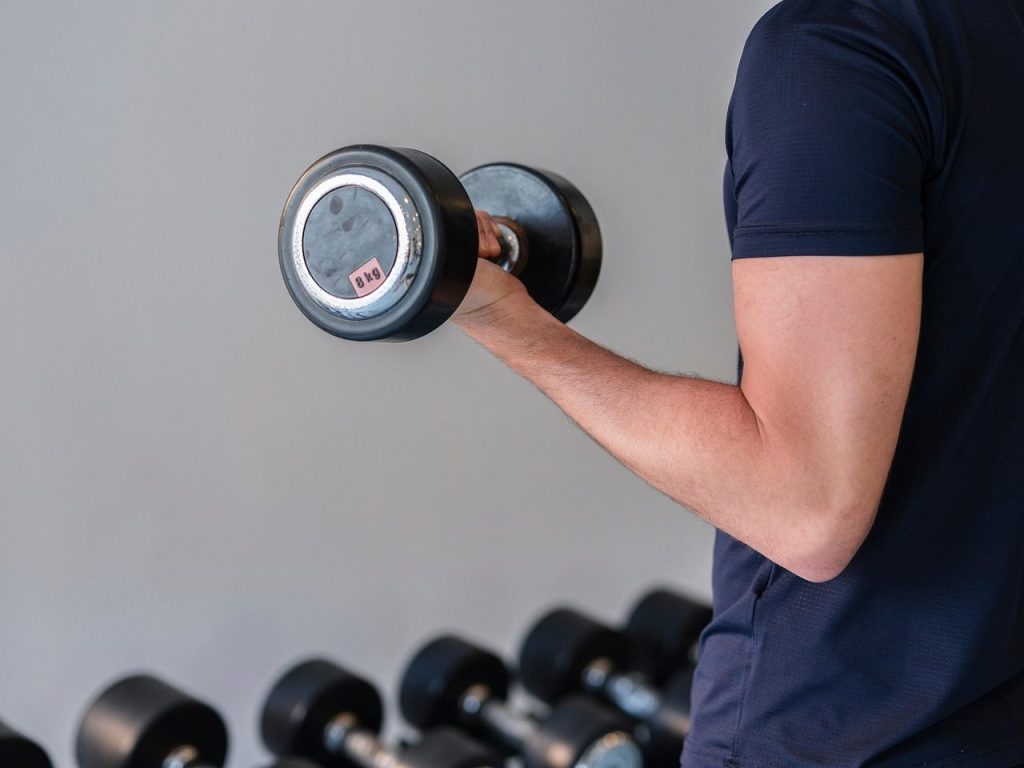
One of the most effective ways to maintain healthy bones is through strength training. Regular weight-bearing exercise and strength training not only help build bone density but also prevent bone loss. When you lift free weights, use resistance bands, or perform movements using your own body weight, your muscles pull on bones, triggering the body to form more bone tissue — resulting in stronger bones over time.
At Bodyfix Gym, our expert personal trainers design safe, progressive exercise programs that combine strength training, aerobic exercise, and mobility exercises to increase bone density and support overall health.
Understanding Bone Loss
Bone loss is a natural part of ageing, but lifestyle factors can accelerate it.
Low bone density, often caused by inactivity, hormonal changes, or poor nutrition, can progress to osteoporosis, in which bones become fragile and more likely to break.
This condition is especially common in older adults and postmenopausal women.
Reduced bone mineral density increases the risk of fractures, particularly hip fractures and fractures from minor falls.
Fortunately, regular weight-bearing activities such as brisk walking, tai chi, or lifting weights can help slow bone loss, improve balance, and encourage new bone formation.
At Bodyfix, we incorporate some of these elements into every personal training program and group fitness class to help clients safely and effectively preserve and strengthen bone tissue.
Why Strength Training Is Good for Bone Density
So, why is strength training good for bone density?
It’s because bone is living tissue — and it adapts to the demands you place on it. When you perform weight-bearing exercises or weight training, your muscles pull on bones, creating controlled stress.
In response, your body builds more bone tissue, increasing bone strength and density.
At Bodyfix Gym, our tailored sessions incorporate multiple types of exercise to target major muscle groups, including:
- Free weights and weight machines to strengthen muscles and bones.
- Resistance bands and elastic bands for progressive overload.
- Medicine balls for core stability and power training.
- Functional movements like squats, lunges, and bent-over rows help build bone strength and mobility.
- Flexibility exercises and balance training to prevent falls.
These exercises are ideal for older adults and post menopausal women, who are at greater risk of low bone density and fracture risk.
The Role of Impact and Weight-Bearing Exercise
Weight-bearing impact exercise plays a key role in building bone density.
When bones experience force — such as through high-impact exercises like jumping or low-impact options like stair climbing — it stimulates bone formation and strengthens the skeleton.
At Bodyfix Gym, our trainers tailor each fitness program to your comfort and capabilities.
- Those with severe osteoporosis may begin with low-impact exercises.
- Clients with healthy joints can include high-impact exercises under supervision for added bone-building stimulus.
Our group fitness classes blend weight-bearing, strength, and flexibility exercises to improve balance, coordination, and total-body resilience — helping you stay active and avoid injury.
Clinical Evidence and Health Benefits
After age 40, men and women begin to lose bone mass at about 1% per year, but strength training can help slow this decline.
Scientific studies consistently demonstrate the health benefits of regular exercise for bone density.
Research from the Journal of Bone and Mineral Research shows that strength training and weight-bearing exercise improve bone mass and reduce the risk of fracture.
In trials published in Osteoporosis International, postmenopausal women who performed progressive resistance training experienced significant improvement in bone mineral density compared with a control group.
Beyond bones, the benefits extend to overall fitness:
- Reduced risk of fracture and improved balance.
- Increased muscle mass and joint stability.
- Lower risk of heart disease and metabolic disorders.
- Better posture and mobility through stronger major muscle groups.
Designing a Personalised Exercise Program
A strong, safe exercise program for bone health should include:
- Strength training: at least two to three times per week.
- Weight-bearing activity: such as brisk walking, step-ups, or resistance circuits.
- Flexibility and balance training: including yoga or tai chi to improve coordination.
A physical therapist or Bodyfix personal trainer can help you choose exercises suited to your abilities. Each exercise session should target major muscle groups, progressively increasing resistance with free weights, weight machines, or resistance bands to maintain muscle mass and encourage bone formation.
Our world-class facilities provide everything you need for a complete bone-strengthening fitness program, from structured strength classes to one-on-one coaching.
Consistency and Motivation
Building stronger bones and maintaining bone density requires long-term consistency.
Aim for three to four exercise sessions per week, combining strength training, aerobic exercise, and weight-bearing activities.
At Bodyfix, our supportive community, expert coaches, and motivating group fitness classes make staying consistent easier and more enjoyable.
Whether you’re recovering from bone loss, aiming to prevent osteoporosis, or want to future-proof your health, regular, guided training is the key.
Final Thoughts
Strength training is one of the most powerful tools for long-term bone health.
By engaging in weight-bearing exercises, lifting weights, and maintaining a regular exercise routine, you can increase bone density, strengthen muscles, and reduce your risk of fractures.
At Bodyfix Gym, we combine evidence-based training, expert guidance, and a friendly, motivating environment to help you stay strong, confident, and mobile for years to come.
Your bones are living tissue — train them to stay strong.
References
- Kohrt WM et al. Physical Activity and Bone Health. Journal of Bone and Mineral Research.
- Daly RM et al. Exercise for the Prevention of Osteoporosis in Older Adults. Current Osteoporosis Reports.
- Watson SL et al. High-Intensity Resistance Training and Bone Mass in Postmenopausal Women. Osteoporosis International.
- Harvard Health Publishing. Strength Training Builds Bones and Muscle.
- National Osteoporosis Foundation. Exercise for Strong Bones.